
The Training & Trade Revolution: Empowering the Indigenous Workforce
Discover the 2026 Indigenous trade revolution. Learn how year-round modular construction training is creating high-paying careers, empowering women in trades, and securing community housing futures.
The housing crisis in 2026 is, at its core, a labor crisis. This article examines how Indigenous-led modular training centers are breaking the cycle of seasonal unemployment, providing year-round Red Seal certification pathways, and keeping housing wealth within the community.
By 2026, over 350,000 Indigenous youth will have reached working age, representing the fastest-growing demographic in Canada. Historically, the barrier to entering the trades wasn’t a lack of interest—it was a lack of access. Traditional apprenticeship models often required members of remote Nations to leave their families for months to attend urban colleges, a “brain drain” that frequently resulted in skilled workers never returning home.
The 2026 Trade Revolution flips this model. By bringing the “school to the shop,” Indigenous-led facilities like the Keepers of the Circle factory in Kirkland Lake are proving that the most effective training happens within a culturally safe, community-rooted environment.
The Micro-Factory as a Year-Round Classroom
In the North, the traditional “stick-build” construction season is a frantic four-month window. This seasonal nature made it nearly impossible for apprentices to log the consistent hours required for Red Seal certification.
Industrialized Construction (IC) changes the timeline:
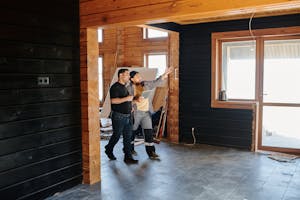
- Climate-Controlled Training: Apprentices work in indoor, heated facilities, allowing for 12-month-a-year skill development.
- The “Panel-to-Professional” Pipeline: Students start by mastering panelized assembly—a high-precision, entry-level task—and progress toward complex electrical, plumbing, and HVAC integration within the modules.
- Holistic Certification: In 2026, these factories are partnering with Indigenous Institutes to offer “Wrap-Around” supports, including on-site childcare, Elder mentorship, and mental health resources, resulting in graduation rates 40% higher than traditional trade schools.
Breaking Barriers: Women and 2SLGBTQQIA+ in Trades
A standout trend of 2026 is the surge of Indigenous women entering the construction sector. Modular factories offer a controlled environment that is often more inclusive and physically accessible than a chaotic, outdoor job site.
Indigenous women-led initiatives are now at the forefront of the “Passive House” movement. By training in high-performance building techniques—such as installing airtight membranes and solar-ready electrical systems—these workers are becoming the most specialized and sought-after tradespeople in the country. They aren’t just building houses; they are becoming the technical experts who will maintain community infrastructure for the next 50 years.
Economic Sovereignty: Keeping the Dollar Local
When a Nation hires an outside firm to build houses, roughly 70% of the project budget leaves the community in the form of contractor fees and labor wages.
In 2026, the Self-Build Model ensures that:
- Wages Stay Local: Every dollar spent on labor circulates within the community, supporting local grocery stores, daycares, and small businesses.
- Equity Ownership: Trained members aren’t just employees; they are becoming the owners of the maintenance firms and sub-trade companies that service the new housing stock.
- The “Succession” Effect: Younger community members see their aunts, uncles, and neighbors thriving in high-tech manufacturing roles, making the trades a “first-choice” career path once again.
Conclusion: A Legacy of Skill The true measure of a successful 2026 housing project isn’t just the number of keys handed over—it’s the number of journeyperson tickets earned during the process. By investing in year-round, factory-based training, Indigenous Nations are securing more than just roofs; they are securing a resilient, self-sustaining workforce that can build anything, anywhere, on their own terms.