AI in the Factory: Solving the 500,000 Worker Deficit with Machine-Power
The Canadian construction industry entered 2026 with a staggering deficit: over 500,000 skilled workers have retired or left the sector since 2020. With fewer youth entering traditional trades, the “Manpower Model” of construction has officially broken. We can no longer “recruit” our way out of this crisis; we must “automate” our way out.
The Solution: The Augmented Workforce In response, 2026 has become the year of Construction Robotics. Leading modular firms are no longer looking for “more carpenters”; they are looking for “Robotic Technicians.” At World of Modular 2026, the focus has shifted from simple pre-fab to AI-driven production lines that work 24/7 without fatigue.
- Robotic Layout Marking: Ground-based robots are now standard on-site and in-factory, printing precise markings directly onto floors from Digital Twin files, eliminating the human error that once led to foundation mismatches.
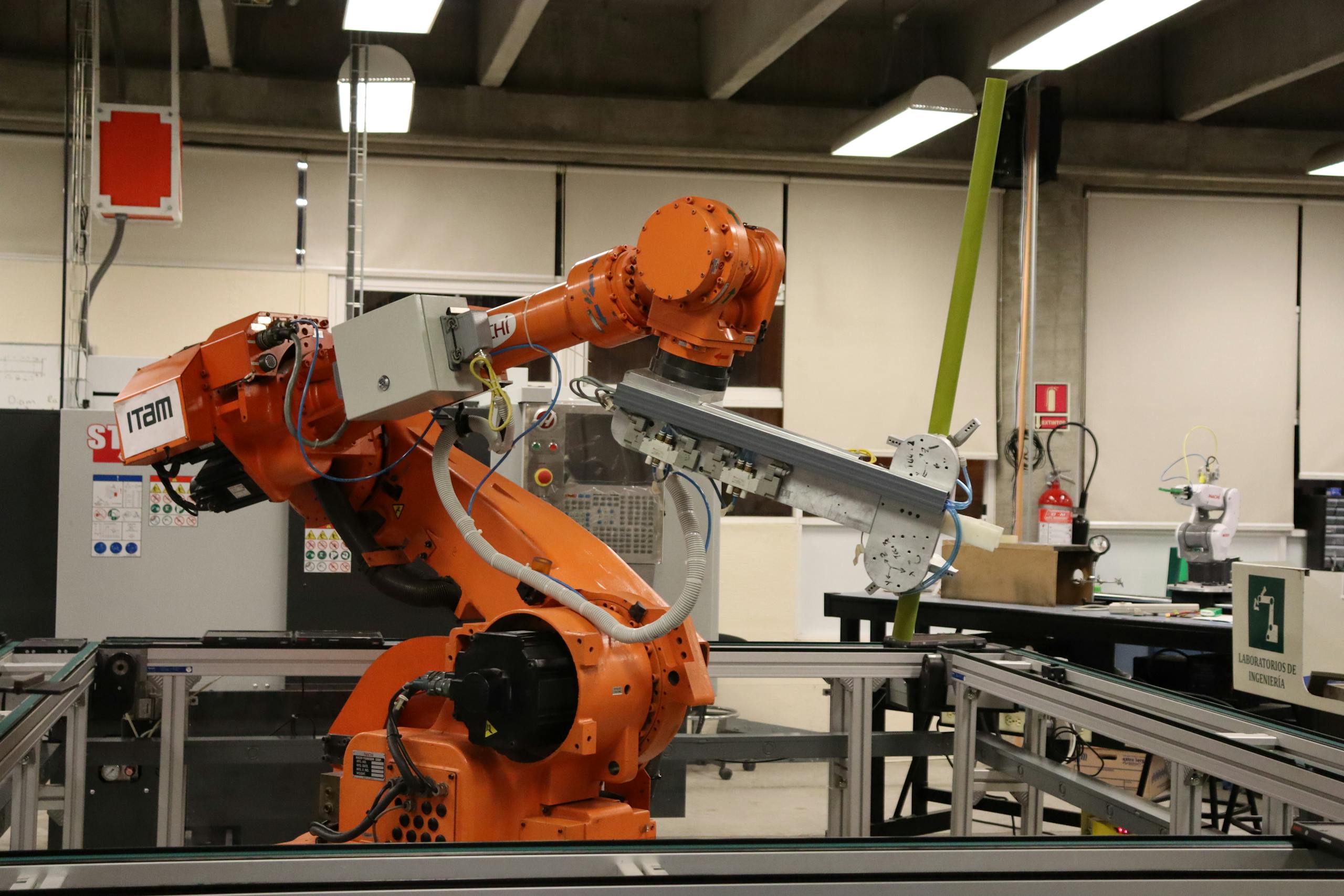
- Automated Wall-Cells: Robotic arms now frame, insulate, and sheathe walls in a single pass. This ensures that every stud is perfectly vertical and every screw is torqued to exact engineering specifications.
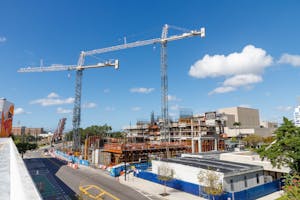
- AI Predictive Logistics: AI platforms now manage the “Takt-time” of the factory, adjusting production speed in real-time based on live weather data and crane availability at the job site hundreds of miles away.
The Productivity Leap By shifting 80% of the labor into a controlled, automated environment, one “Industrialized Construction” worker in 2026 is now 4x more productive than a site-built carpenter was in 2024. This isn’t about replacing people; it’s about giving the people we do have the tools to build a house in days rather than months. The factory floor is the new job site.