
Funding the Future of Nations: breaking the Cycle of Federal Allocation
Master the 2026 Indigenous housing finance landscape. Explore Sovereignty Bonds, FNFMA amendments, and how First Nations are leveraging equity to fund modular housing developments.
The era of the restrictive housing grant is ending. In 2026, Indigenous Nations are utilizing the First Nations Fiscal Management Act (FNFMA), Sovereignty Bonds, and the Build Canada Homes Act to access billions in private capital. This article outlines the new financial architecture that empowers Nations to build at scale without waiting for annual federal budget cycles.
For decades, Indigenous housing progress was throttled by the “allocation” model—a system where federal departments decided how much a Nation received and what they could build. In 2026, the paradigm has shifted to Sovereignty Finance. By utilizing the First Nations Fiscal Management Act (FNFMA), over 200 Nations are now participating in a sophisticated financial regime that allows them to raise capital as governments, rather than as “non-profit” entities.
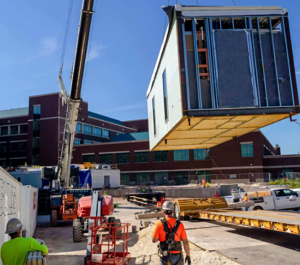
This shift allows Nations to move from “One-Off Grants” to “Multi-Year Capital Plans,” enabling the massive modular scaling we’ve discussed in earlier articles.
The Rise of the Sovereignty Bond
One of the most significant developments in 2026 is the success of the Indigenous Bond Market. Through the First Nations Finance Authority (FNFA), Nations are pooling their borrowing power to issue investment-grade bonds on the public market.
- The 30-Year Shift: In early 2026, the FNFA successfully issued landmark 30-year bonds. This long-term financing is a “game changer” for housing, as it aligns the debt repayment with the 30-year life cycle of a high-performance modular building.
- Secured Revenues: Nations are now able to secure these loans using “other revenues”—such as royalties, lease income, and equity from community-owned businesses—rather than relying solely on federal transfers.
- Investor Appetite: Global ESG (Environmental, Social, and Governance) investors are flocking to these bonds, recognizing that Indigenous-led housing projects are among the most impactful social investments in North America.
Leveraging the Build Canada Homes Act
The 2026 Build Canada Homes (BCH) Act has provided the final piece of the financial puzzle. As a federal Crown corporation, BCH acts as a “Backstop” for Indigenous-led developments.
Key 2026 BCH features for Nations include:
- Direct Equity Partnerships: BCH no longer just “gives money”; it acts as a silent equity partner, providing the upfront capital needed for factory-built housing in exchange for long-term affordability commitments.
- Low-Cost Debt Facilities: Indigenous housing providers can access predictable, low-interest loans that are insulated from the volatility of the private banking market.
- Standardized Security: The BCH Act has streamlined “Alternative Types of Security,” making it easier for Nations to secure loans without the cumbersome Ministerial Loan Guarantee (MLG) process that once delayed projects by years.
The “Portfolio” Advantage
In 2026, Nations are no longer building five houses at a time. They are using their sovereign financial tools to build Portfolios. By grouping 50, 100, or 500 units into a single financing package, Nations can:
- Command Bulk Pricing: Negotiating directly with manufacturers for “factory runs” that lower the cost per unit.
- Attract Major Contractors: Large-scale financing attracts high-tier construction partners who previously found small on-reserve projects unfeasible.
- Build Integrated Communities: Funding not just houses, but the roads, water, and green energy infrastructure that turns a “housing project” into a thriving neighborhood.
Conclusion: Financing as an Act of Sovereignty
Financial self-determination is the heartbeat of the 2026 housing movement. By moving into capital markets and leveraging the power of the Build Canada Homes Act, Indigenous Nations are proving that they have the vision, the credit, and the legislative power to house their people. The future of Indigenous housing is no longer a question of federal generosity; it is a matter of sovereign execution.