Beyond Shelter: Reclaiming the Right to Build
Explore Indigenous housing sovereignty in 2026. Learn how self-determined modular housing models, the Build Canada Homes Act, and community-led construction are replacing the failed welfare-based housing system.
In 2026, Indigenous housing has shifted from a federal dependency model to a self-determined engine of growth. This article explores how First Nations, Inuit, and Métis communities are utilizing the Build Canada Homes Act and modular innovation to dismantle failed housing systems and reclaim their right to build.
The Shift from Dependency to Sovereignty
For decades, the housing system imposed on Indigenous communities was a “welfare-based” model—one that relied on insufficient federal grants, restrictive policies, and site-built methods that were often ill-suited for the climate or cultural needs of the North. In 2026, that model is being dismantled.
The 2026 Sovereignty Roadmap is built on a simple truth: when legal and financial barriers are removed, Indigenous Nations can and do house themselves. Housing is no longer viewed as “infrastructure” in a silo; it is the foundation for wellness, education, and economic participation.
Dismantling the Two-System Barrier
Historically, Canada operated two discrete housing systems: one designed to generate wealth and equity for the mainstream, and another designed to manage poverty on-reserve. The landmark legal rulings of late 2025 and early 2026 have affirmed that the federal government has a fiduciary duty to not only fund housing but to transfer jurisdiction and resources directly to Indigenous governments.
By reclaiming jurisdiction, Nations are now able to:
- Set Local Standards: Moving away from generic building codes toward standards that account for traditional land use, multi-generational living, and harsh environmental realities.
- Direct Financing: Utilizing the First Nations Fiscal Management Act to access private capital and leverage federal “sovereignty bonds” that keep interest rates low.
- Control the Pipeline: Deciding what gets built, where it gets built, and who builds it.
Modular Construction as a Tool for Self-Determination
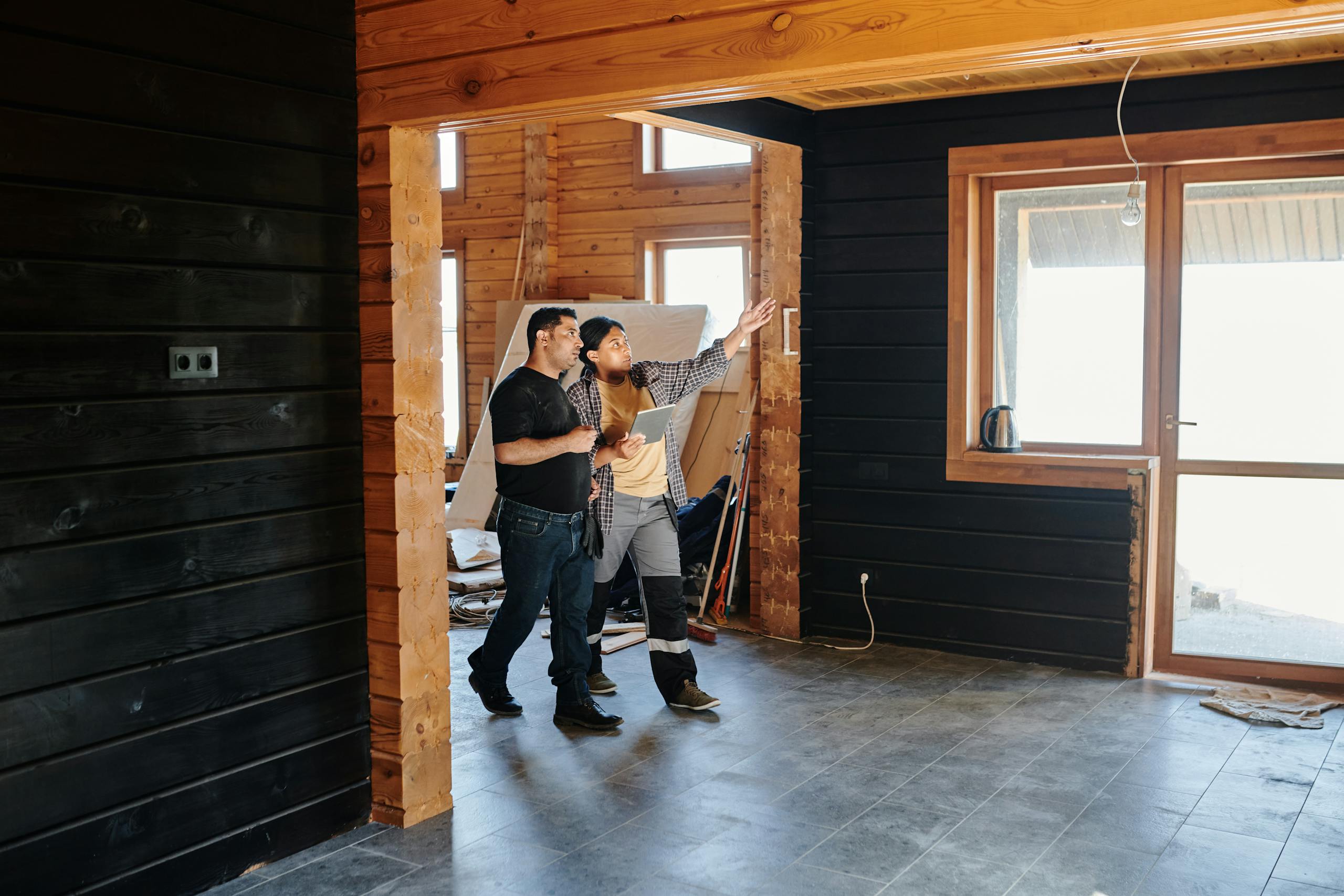
In 2026, Industrialized Construction (IC) is the “great equalizer” for remote and Northern communities. Traditional construction seasons in the North are tragically short, and the cost of flying in contractors often doubles the price of a home.
Modular housing solves this by shifting the work from the “wet and cold” of the field to the “warm and dry” of a factory. For Indigenous communities, this means:
- Year-Round Productivity: Construction no longer stops when the ground freezes. Homes are built in sections (modules) or panels in a factory and stored until the summer transit window or ice-road season opens.
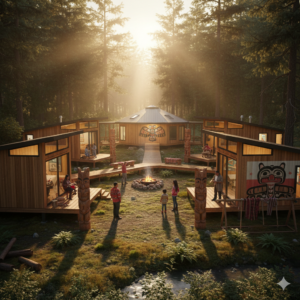
- Cultural Design Integration: Modular design in 2026 is no longer “cookie-cutter.” Indigenous-led design firms are using 3D modeling to create homes with designated spaces for smoking fish, storing hunting gear, and gathering as an extended family.
- Healing-Centered Housing: Recognizing that overcrowded, mold-prone housing is a public health crisis, 2026 modular builds prioritize “Passive House” standards—ensuring homes are mold-resistant, energy-efficient, and culturally safe.
The Role of the Build Canada Homes (BCH) Act
The Build Canada Homes Act has been a critical catalyst in this transition. Unlike previous programs that provided one-off grants, the BCH Act prioritizes Portfolio Approaches. This allows a Tribal Council or a group of Nations to act as an “aggregator,” submitting multiple projects at once to secure bulk pricing and long-term funding certainty.
The BCH Investment Policy Framework specifically supports:
- Indigenous Project Pipelines: Enabling Nations to plan 5 to 10 years ahead, rather than waiting for annual budget cycles.
- Self-Determined Priorities: Ensuring that federal funding respects the “Free, Prior, and Informed Consent” of the community regarding housing locations and types.
Conclusion: Building the Future
The 2026 Sovereignty Roadmap is about more than just putting roofs over heads; it is about rebuilding the social, economic, and cultural fabric of Nations. By leveraging modular technology and the new federal financial landscape, Indigenous communities are moving toward a future where “home” is a place of dignity, belonging, and community ownership. The era of the “government house” is ending; the era of Indigenous-led housing has begun.